New Zealand Agritech

Convert Waste Milk
Into Value

Every milking session, litres of milk go down the drain. AXIS drying technology converts your on-farm waste milk into shelf-stable, animal feed-grade powder, right where it is produced.

0M+ Litres wasted annually in NZ
0L Up to 2,500L milk dried per day (UA-8)
0yr Payback under 2 years
The Challenge

Milk That Never Reaches the Vat

New Zealand dairy farms generate an estimated 420 million litres of waste milk every season - approximately 2% of the 21 billion litres processed annually. Most of it goes straight to the effluent system. That is not just lost revenue; it is an environmental liability that is coming under increasing regulatory scrutiny.

Inline Milk Residue

After every milking, 45 to 200 litres of milk remains in the pipeline depending on your shed type. On water-purge farms, 100% of this goes to effluent, twice a day, every day of the season.

Up to 39,600 L/year on a herringbone shed

Antibiotic Treatment Milk

When a cow is treated with intramammary antibiotics, her milk cannot enter the bulk tank for the full withholding period. A typical 325-cow farm discards 2,500 to 6,000 litres of antibiotic milk every season.

Cannot enter the bulk tank under any circumstances

Colostrum Surplus

The first four to six milkings post-calving produce colostrum that cannot enter the bulk tank. Surplus colostrum is highly nutritious but perishable. A 325-cow farm generates 10,000 to 19,500 litres of surplus colostrum each season.
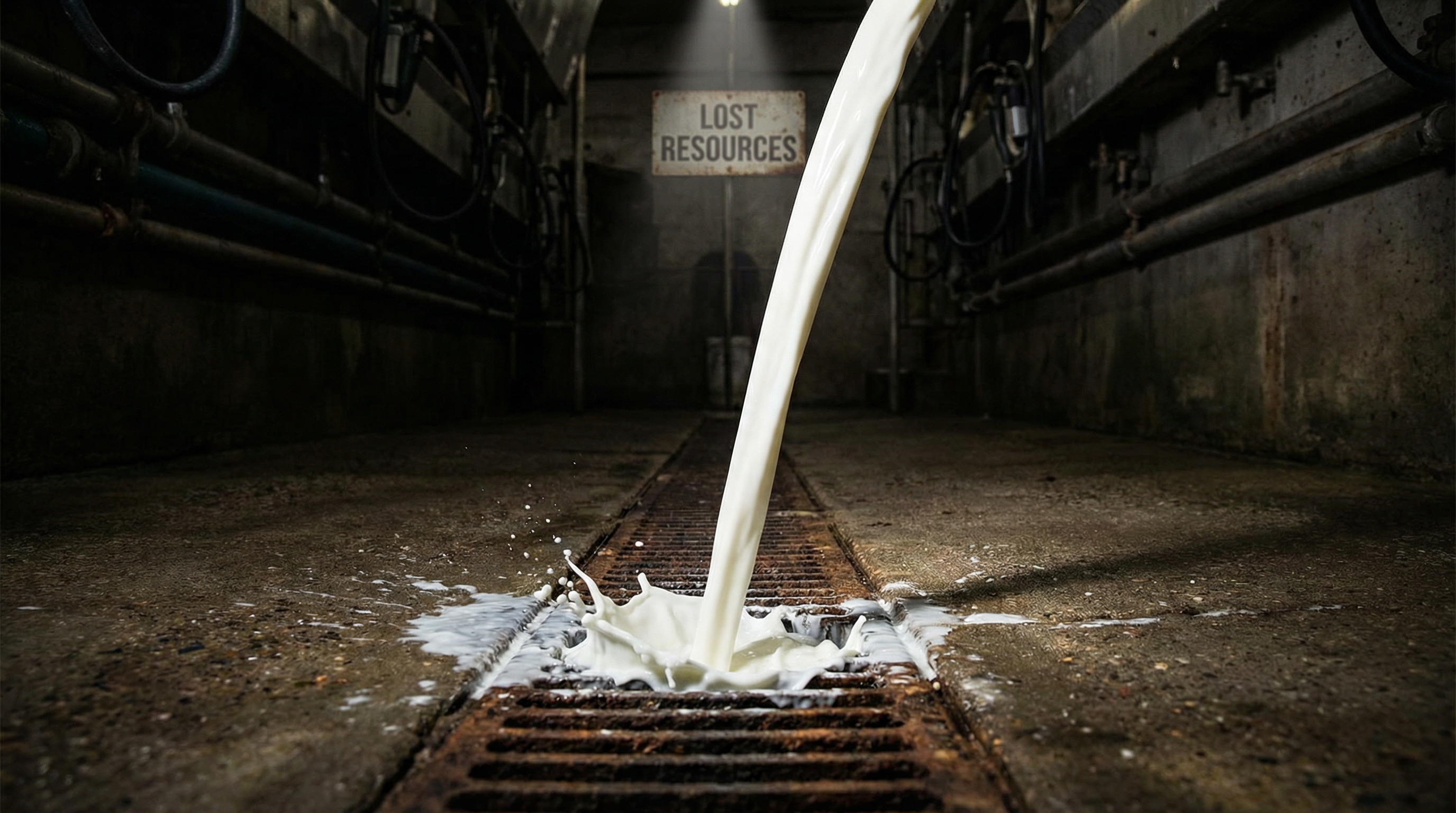
Worth NZD 8-15/kg as dried powder
Waste milk going to effluent

The Regulatory Pressure Is Growing

The National Policy Statement for Freshwater Management 2020 and the National Environmental Standards for Freshwater 2020 are tightening effluent discharge limits across New Zealand. Waste milk has a Biochemical Oxygen Demand of approximately 110,000 mg/L, compared to 200 to 400 mg/L for domestic sewage.

Converting waste milk to powder eliminates effluent discharge entirely and provides a clear, auditable compliance pathway for your Farm Environment Plan.

See the Solution
The AXIS System

A Complete On-Farm Milk Valorisation Platform

The AXIS drying system is a portable, self-contained unit that sits beside your milking shed. It intercepts waste milk before it reaches the effluent system and converts it into a stable, animal feed-grade milk powder that you can use on-farm or sell.
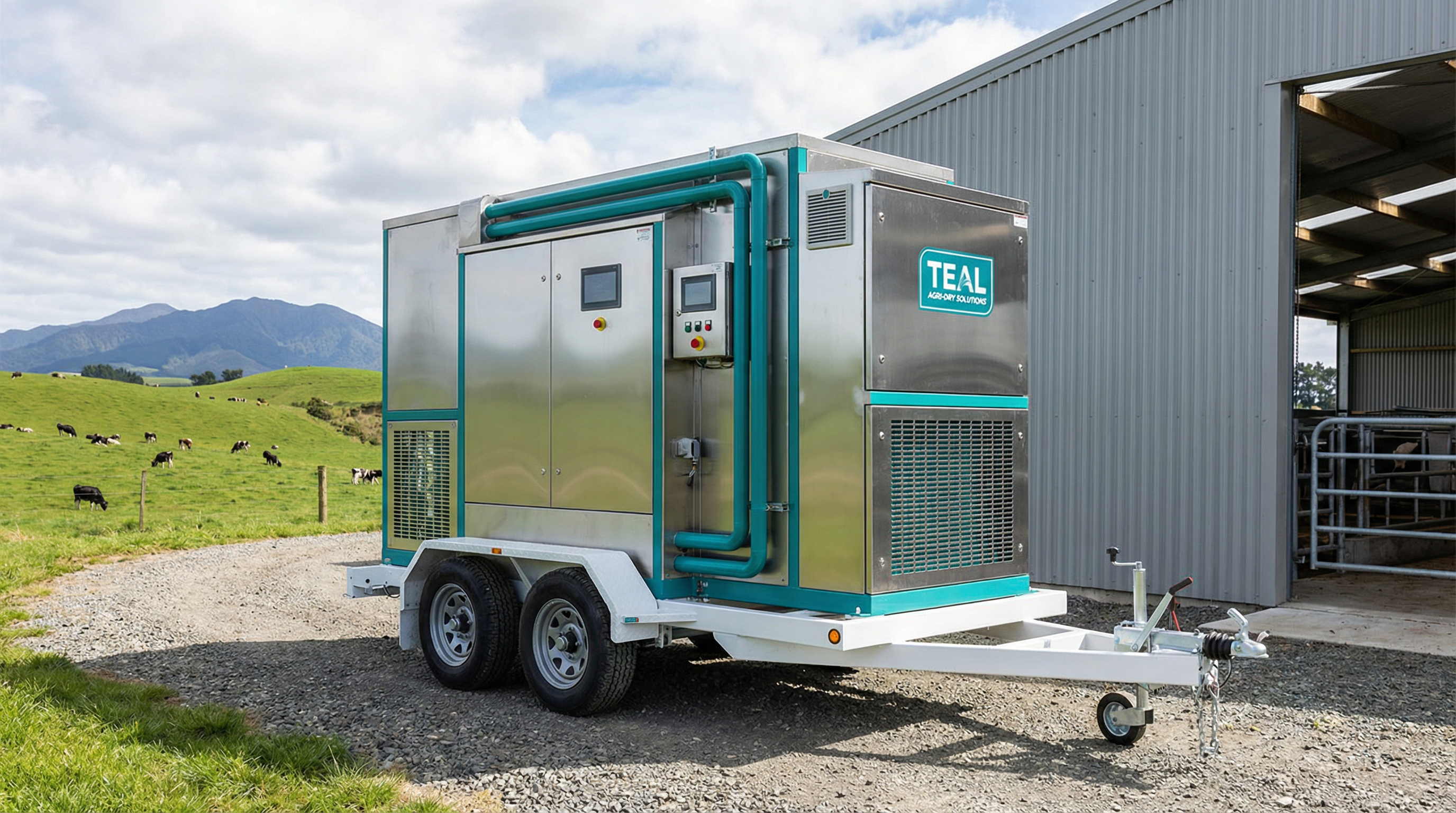
AXIS drying system on a NZ dairy farm
AXIS System Portable. Scalable. On-Farm.

Complete Waste Stream Recovery

Handles inline residue, antibiotic milk, colostrum, and mastitis milk on a single, dedicated processing line. Your bulk tank is never compromised.

Less Than 2-Year Payback

Based on typical NZ dairy farm waste volumes and an $8/kg powder price, most AXIS installations recover their capital cost within two seasons.

Feed-Grade Powder Output

The output is a shelf-stable, animal feed-grade milk powder suitable for use on the farm of origin. A high-quality, natural alternative to commercial milk replacer products.

Portable and Trailer-Mounted

Compact footprint from 1.2 m x 1.0 m. Can be shared between farms or relocated as your operation changes. No permanent infrastructure required.

Antibiotic Milk Safe

Integrated pre-treatment processes antibiotic-containing milk to meet animal feed-grade standards before drying, ensuring your powder is safe for on-farm use.

Use our interactive calculator to see what the AXIS system could recover on your farm.

Calculate Your Recovery
Product Range

The AXIS Product Line

Three models to match your shed type and daily waste milk volume. All models share the same proprietary drying technology, food-grade construction, and animal feed-grade output standard.

Herringbone Sheds

AXIS WAI-3

Entry Model

Max Milk Input Up to 1,026 L/day
Max Powder Output Up to 82 kg/day
Season Output (270 days) Up to 22.1 t/season
Power Draw Available on request
Footprint Available on request
Best for: Herringbone sheds processing 90 to 120 L/day inline residue plus event waste.
Enquire Now
Regional Hubs & Processors

AXIS UA-8

Industrial Model

Max Milk Input Up to 2,736 L/day
Max Powder Output Up to 219 kg/day
Season Output (270 days) Up to 59.1 t/season
Power Draw Available on request
Footprint Available on request
Best for: Regional hubs aggregating 3 to 5 rotary farms or commercial processors handling 450 to 1,000+ L/day.
Enquire Now

* Output figures are indicative, based on 8% total solids and 18 hours operating time per day. Actual results will vary depending on milk composition and operating conditions.

All pricing is available on request. Contact us for a tailored quote based on your shed type and daily waste milk volume. Use the AXIS App to calculate your estimated payback period before you get in touch.

The Process

From Waste Milk to Powder in Four Steps

01

Collect

Waste milk is intercepted before the CIP flush and gravity-drained into a dedicated collection tank. Inline residue, antibiotic milk, and colostrum are all handled on a separate line from your bulk tank.

02

Pre-Treat

For antibiotic-containing milk, a proprietary pre-treatment step processes residues to meet animal feed-grade standards. Colostrum and clean residue milk skip this step.

03

Dry

Milk is processed through the AXIS drying system using proprietary low-temperature drying technology. Nutritional quality is preserved and the output is a consistent, shelf-stable powder.

04

Collect Powder

Dried powder is collected directly from the drying surface into a food-grade container. The output is a shelf-stable, animal feed-grade milk powder ready for on-farm use or storage.
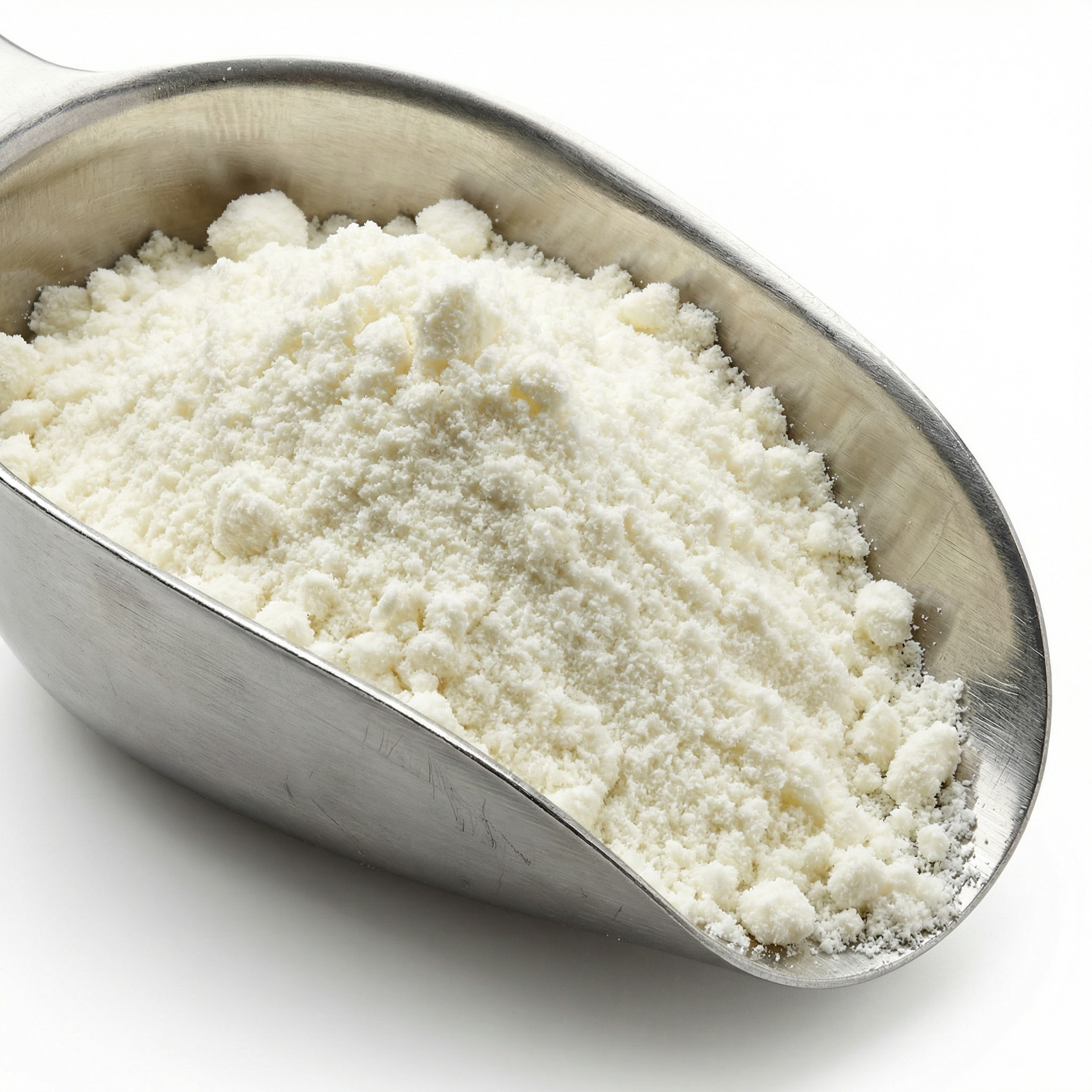
Feed-grade milk powder produced by the AXIS system

See What Your Farm Could Recover

The AXIS App lets you enter your shed type, herd size, and local powder price to calculate your estimated annual powder yield, revenue, and payback period.

Open the AXIS App
Recovery Estimator

What Could Your Farm Recover?

Enter your farm details below to estimate your annual waste milk volume, potential powder yield, and recoverable value. For a full payback analysis, use the AXIS App.

Enquire About the AXIS System
Est. Annual Waste Milk --
Est. Powder Yield --
Est. Net Annual Return --

Based on 15 L/cow/day, 270 operating days, 10% powder yield, and deductions for energy, consumables, bagging, labour, and maintenance. Actual results will vary.

Run the Full Farm Calculator →
Common Questions

Frequently Asked Questions

Answers to the questions we hear most often from farmers, co-operatives, and industry partners.
Waste milk is any milk produced on-farm that cannot be collected by a processor. The most common sources are milk from cows undergoing antibiotic treatment (withheld under the Agricultural Compounds and Veterinary Medicines Act 1997), surplus colostrum in the first days after calving, and residual milk flushed from the pipeline and plant at the end of each milking. Processors test every tanker load and will reject - and penalise - any load found to contain antibiotic residues, so this milk must be kept entirely separate from the vat.
Estimates vary by herd size, treatment rates, and calving pattern, but industry data suggests NZ dairy farms collectively discard approximately 420 million litres of waste milk per season - around 2% of the 21 billion litres processed annually. On an average 400-cow farm, this can represent 15,000 to 25,000 litres per season, with a potential powder value of several thousand dollars if recovered rather than discharged.
This is a common practice on many farms, but it carries real risks. Feeding antibiotic-treated milk to calves contributes to antimicrobial resistance (AMR) - a growing concern for both animal and human health that is under increasing scrutiny from MPI and the veterinary sector. Drying the milk into powder first removes the liquid handling risk and produces a stable, storable feed supplement that can be used safely without AMR concerns.
Discharging waste milk to waterways or land is regulated under the Resource Management Act 1991 and regional council rules. Milk has a very high biochemical oxygen demand (BOD) - roughly 100,000 mg/L - meaning even small volumes can cause significant oxygen depletion in waterways. Regional councils are tightening discharge consents, and farmers who cannot demonstrate responsible waste milk management face increasing compliance risk. Converting waste milk to powder eliminates the discharge problem entirely.
The AXIS WAI-3 is a portable, trailer-mounted on-farm drying system that sits beside your milking shed. It intercepts waste milk before it reaches the effluent system and converts it into a stable, animal feed-grade milk powder. The output can be stored on-farm, fed directly to calves, or sold. The system processes up to 1,026 litres per day and produces up to 82 kg of powder per day, with no permanent infrastructure required.
Yes. The AXIS system is designed to produce powder that meets animal feed-grade standards under the ACVM Act 1997. DairyTech Solutions is working through the regulatory pathway with MPI to ensure full compliance for on-farm use and sale. Animal feed-grade certification is a core requirement of our product development process, not an afterthought.
Pricing is available on request and depends on model and configuration. Payback period depends on your herd size, waste milk volume, and local powder value - use the AXIS Farm Calculator to estimate your own numbers, then contact us for a tailored quote.
We are currently in prototype validation phase, working with engineering partners to finalise production drawings and secure manufacturing quotes. Pre-orders are open now. Pre-order customers receive priority delivery and are locked in at the pre-order price. We will provide regular updates to all pre-order customers as we move through validation and into production.