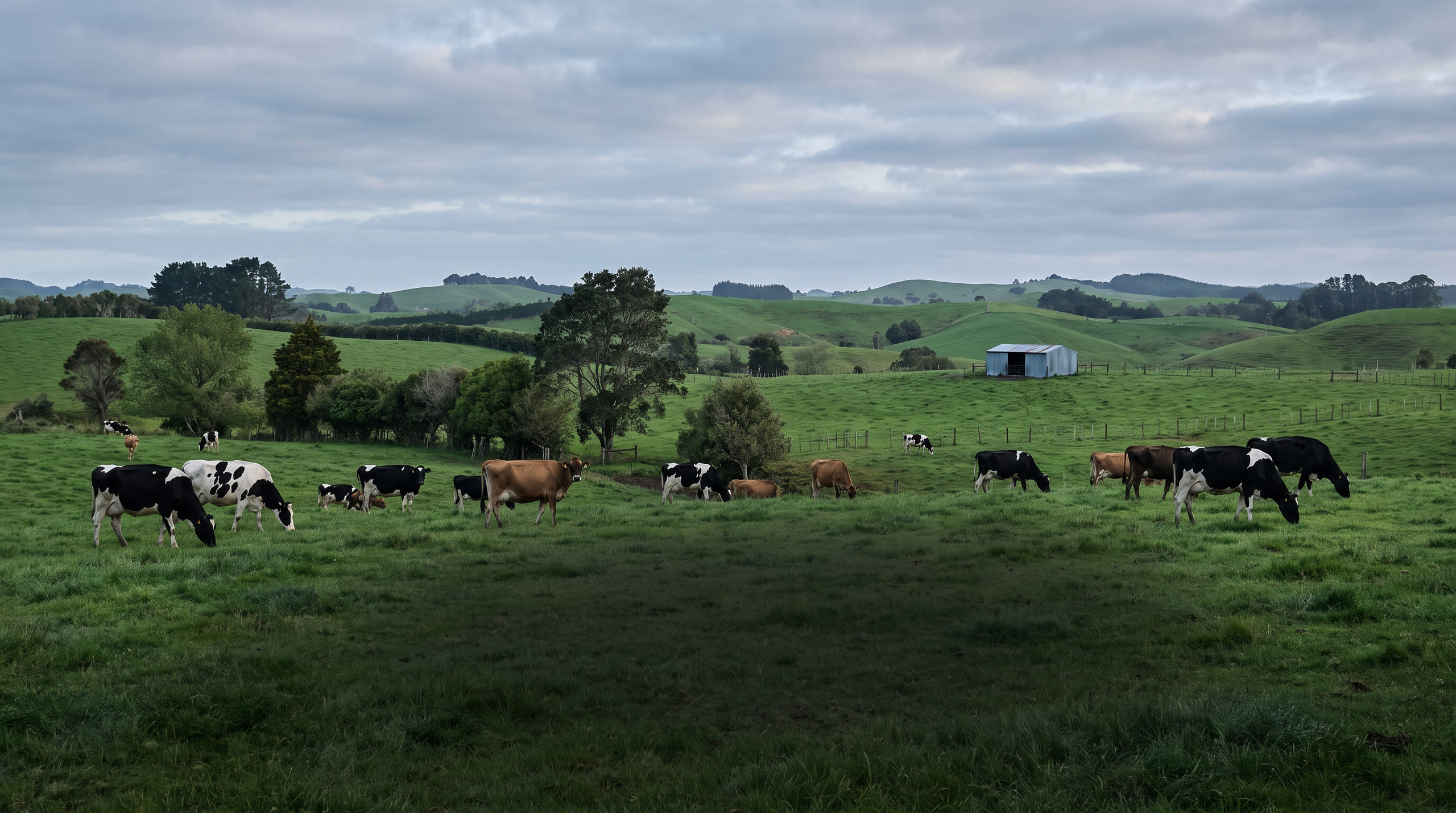
DairyNZ has reported an operating surplus of NZ$18.1 million for 2025/26 and outlined a larger programme of investment in the year ahead. Its 28 September results announcement puts the focus on where farmer levy money will go next: research facilities, breeding information, farm benchmarking and practical support.[1]
This is DairyNZ's result as an industry organisation, not a milk-price announcement or a distribution to farmers. The distinction matters after a season of strong dairy production and continued pressure on farm costs.
What changed in the 2025/26 result?
DairyNZ attributes the surplus to a 4.5% lift in New Zealand milksolids production, the increase in the levy rate to 4.5 cents per kilogram of milksolids from 1 June 2025, and financial discipline. Chair Tracy Brown said production exceeded two billion kgMS for the first time. The annual report covers the year ended 31 May 2026.[1][2]
The organisation says it has deliberately rebuilt its cash reserves over two years. That gives it more capacity to fund long-term work, but the surplus is not a pool of cash promised to individual farms. Nor does it mean the entire NZ$18.1 million has been allocated to one new project. DairyNZ expects expenditure to rise in 2026/27 as several programmes move into delivery.[1]
Where is the next investment planned?
DairyNZ has set out a planned NZ$9.1 million capital programme for 2026/27. It includes research-farm upgrades at Scott Farm and Lye Farm, work on its DairyBase benchmarking service, the OneBW genetics programme, and digital platforms intended to support farmers. That planned capital programme is a separate figure from the prior year's operating surplus.[1]
The annual report gives a more specific view of two projects. It describes a DairyBase rebuild intended to improve the platform's stability, usability and ability to work with other data sources, with a refreshed service due to launch in 2026/27. It says outputs from the new OneBW breeding model will be independently verified and that the project still has technical challenges to work through.[2]
Beyond the capital programme, DairyNZ expects research and on-farm extension spending to increase. It names Responsible Dairy, Resilient Pastures and Dairy Beef Opportunities among the collaborative programmes due to ramp up. These are stated plans and programmes, not evidence yet of a measured return for every levy-paying farm.[1]
What does the farmer levy pay for?
The levy rate for the season beginning 1 June 2026 is 4.5 cents/kgMS, according to DairyNZ. Its levy explainer says the money supports science, research, evidence-based advocacy and extension; it also says up to 0.8 cents of the levy collected is passed on to OSPRI for TBfree. The levy is collected on milksolids supplied to dairy companies, rather than on the volume of raw milk produced.[3]
For farmers assessing value, the useful question is less whether DairyNZ recorded a surplus than whether the extra headroom turns into tools they can use, advice that reaches their region and research that holds up on a working farm. The announced DairyBase and research-farm work provide tangible things to track, while their practical impact will take time to judge.
What should the sector watch next?
DairyNZ expects levy income in 2026/27 to stay broadly similar to the previous year, but notes that seasonal conditions can change milk production and therefore receipts. Its forecast of higher programme spending also means the next annual result will need to be read alongside what was delivered, not just the size of the balance sheet.[1]
Farmers can watch for the DairyBase relaunch, independently checked OneBW outputs and progress from the named collaborative programmes. The tests are practical: are results accessible, do they reflect differing farm systems, and can a farmer act on them without taking a claimed sector benefit on trust?
A small DairyTech context
For DairyTech, the news underlines the value of testing on-farm ideas against real operating conditions. We are working through prototype validation for waste-milk recovery, but this DairyNZ announcement does not fund or validate our system.