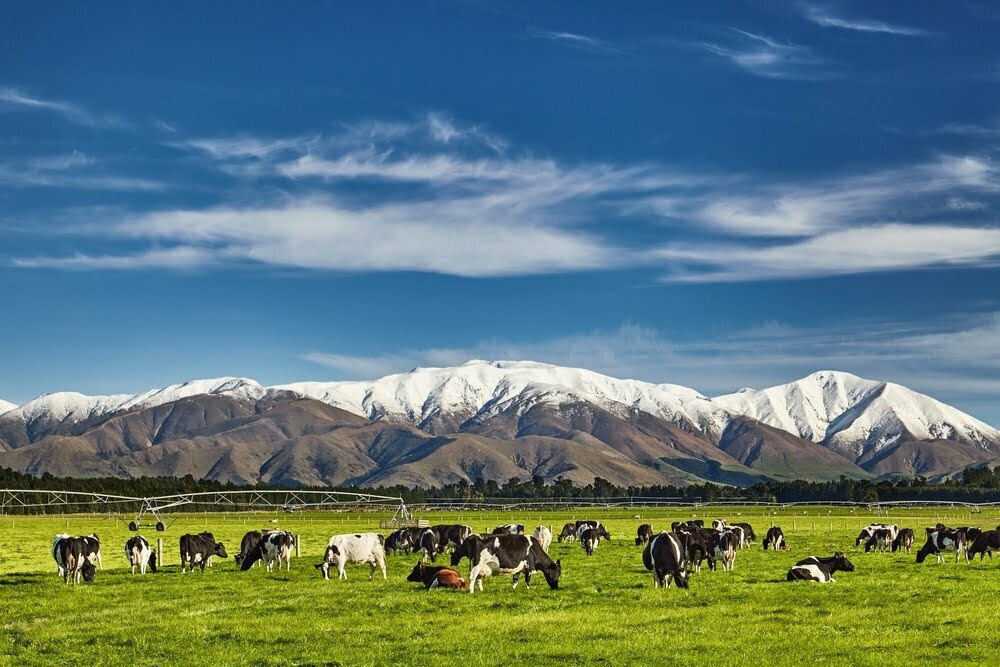
What Drove the 2026 Dairy Revenue Boom?
New Zealand's dairy sector has hit record revenue in 2026, driven by strong global demand and favourable pricing. This economic success, however, brings renewed scrutiny to the industry's environmental footprint.
The unprecedented financial performance of the dairy sector in 2026 can be attributed to a confluence of global factors. International markets, particularly in Asia and the Middle East, have shown a robust appetite for high-quality New Zealand dairy products. This surge in demand has coincided with constrained supply from other major dairy-producing regions, leading to highly favourable commodity prices. Furthermore, the strategic shift towards value-added products, such as specialised nutritional powders and premium infant formulas, has significantly boosted export margins. The resilience of the New Zealand dairy supply chain, coupled with efficient pasture-based farming systems, has allowed the industry to capitalise on these market dynamics effectively. However, this financial windfall has not occurred in a vacuum. The increased production intensity required to meet global demand has inevitably placed additional pressure on natural resources, bringing the environmental sustainability of the sector into sharp focus. Stakeholders across the board, from international consumers to domestic policymakers, are increasingly questioning whether this economic prosperity can be maintained without compromising environmental integrity.
What Are the Environmental Impacts?
Despite the financial gains, the emissions credibility gap remains a significant challenge. The sector's greenhouse gas emissions, particularly methane and nitrous oxide, continue to be a focal point for environmental advocates and international markets demanding sustainable practices.
The environmental footprint of dairy farming in New Zealand is a complex issue that extends beyond greenhouse gas emissions. While methane from enteric fermentation and nitrous oxide from fertiliser application and animal waste are the primary contributors to the sector's climate impact, water quality and biodiversity are also critical concerns. The intensification of dairy farming has led to increased nutrient runoff, particularly nitrogen and phosphorus, which can degrade freshwater ecosystems and lead to algal blooms in rivers and lakes. Additionally, the conversion of land for dairy use has historically impacted native biodiversity. The concept of an 'emissions credibility gap' refers to the disparity between the industry's stated sustainability goals and the actual, measurable reductions in environmental impact. International markets are becoming increasingly stringent in their environmental requirements, with major multinational corporations setting ambitious Scope 3 emissions targets. If the New Zealand dairy sector fails to demonstrate tangible progress in reducing its environmental footprint, it risks losing access to these premium markets. The challenge lies in decoupling economic growth from environmental degradation, a task that requires systemic changes across the entire value chain.
How Can We Bridge the Gap?
To maintain its global standing, the NZ dairy industry must accelerate the adoption of mitigation technologies. This includes investing in research, implementing better farm management practices, and exploring innovative solutions to reduce the overall carbon footprint.
Bridging the emissions credibility gap requires a multifaceted approach that combines technological innovation with practical on-farm changes. Investment in research and development is crucial for identifying and commercialising new mitigation strategies. This includes the development of methane-inhibiting feed additives, the breeding of low-emitting dairy cows, and the advancement of precision agriculture technologies. Better farm management practices, such as optimised fertiliser application, improved effluent management, and the strategic use of riparian planting, can significantly reduce nutrient runoff and improve water quality. Furthermore, exploring innovative solutions, such as the conversion of waste streams into valuable products, can contribute to a more circular and sustainable agricultural economy. The transition to more sustainable farming systems also requires robust policy frameworks and financial incentives to support farmers in adopting new practices. Collaborative efforts between government, industry bodies, and research institutions are essential for driving systemic change. By embracing innovation and demonstrating a genuine commitment to environmental stewardship, the New Zealand dairy sector can not only bridge the credibility gap but also position itself as a global leader in sustainable food production.
What Role Does On-Farm Waste Management Play?
A critical, yet often overlooked, aspect of improving the dairy sector's environmental footprint is the management of on-farm waste streams. Historically, waste milk from antibiotic treatments or colostrum surplus has presented a significant disposal challenge for farmers. Improper disposal can lead to environmental contamination, particularly concerning soil and water quality. However, innovative approaches are transforming this challenge into an opportunity. By implementing advanced processing technologies directly on the farm, it is possible to convert these waste streams into stable, value-added products. This not only mitigates the environmental risks associated with disposal but also creates a circular economic model within the farm gate. The ability to process and stabilise waste milk on-site reduces the need for transportation and off-site processing, further lowering the overall carbon footprint of the operation. As the industry strives to meet stringent environmental targets, the adoption of such on-farm waste management solutions will be instrumental in demonstrating tangible progress towards sustainability.
How Will Regulatory Changes Affect the Sector?
The regulatory landscape governing agricultural emissions and environmental practices in New Zealand is evolving rapidly. The Agricultural Compounds and Veterinary Medicines (ACVM) Act 1997, alongside updated environmental discharge regulations, sets a stringent framework for the industry. Compliance with these regulations is not merely a legal obligation but a fundamental requirement for maintaining market access and consumer trust. The introduction of pricing mechanisms for agricultural emissions will fundamentally alter the economic dynamics of dairy farming, incentivising the adoption of low-emission practices and technologies. Farmers will need to navigate these regulatory changes carefully, ensuring that their operations remain both compliant and profitable. This will require a proactive approach to environmental management, including rigorous monitoring and reporting of emissions and nutrient discharges. The successful integration of these regulatory requirements into everyday farming practices will be a key determinant of the sector's long-term viability and its ability to maintain its premium position in the global market.
Frequently Asked Questions
What is the emissions credibility gap?
The emissions credibility gap refers to the difference between the dairy industry's stated environmental sustainability goals and the actual, measurable reductions in greenhouse gas emissions and other environmental impacts.
Why are international markets concerned about NZ dairy emissions?
Major international markets and multinational corporations are setting strict environmental targets, including Scope 3 emissions reductions. They require their suppliers, including NZ dairy exporters, to demonstrate verifiable sustainable practices to maintain market access.
How can technology help reduce the environmental impact of dairy farming?
Technology can help through precision agriculture, methane-inhibiting feed additives, advanced effluent management systems, and on-farm processing solutions that convert waste streams into value-added products, thereby reducing overall emissions and environmental discharge.
Sources
- Ministry for Primary Industries (MPI) - 2026 Dairy Export Report
- Stats NZ - Agricultural Emissions Data 2025-2026
- DairyNZ - Sustainability Initiatives Overview